
Bob and Brad D6 Pro for Athletes: Recovery Performance Review
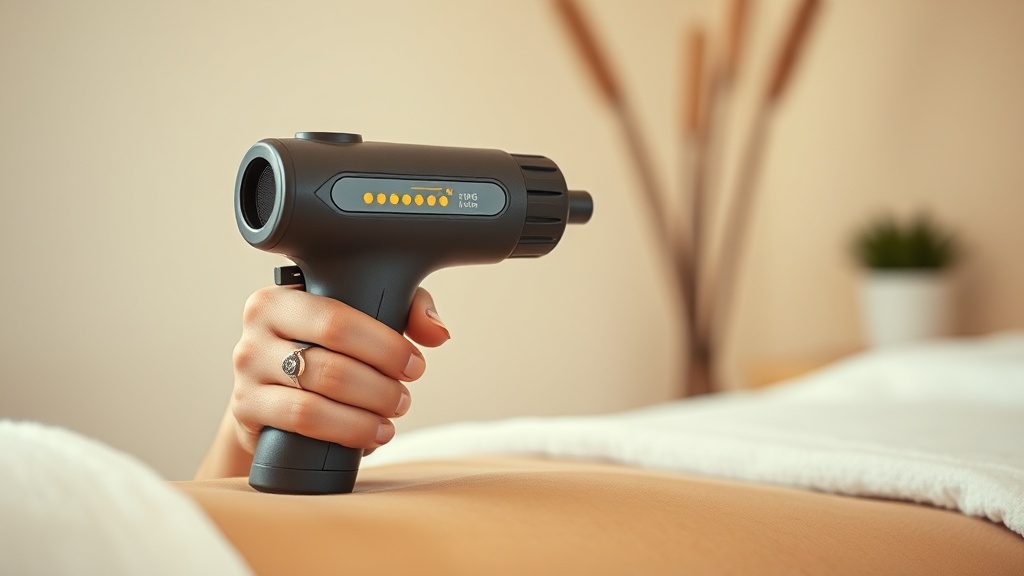
Why Athletes Need a Quality Percussion Massage Gun
The science behind deep tissue massage guns centers on a principle called mechanotransduction, where mechanical forces trigger biological responses at the cellular level. When a percussion device strikes muscle fibers repeatedly, it causes micro-deformations that signal cells to increase collagen production and improve tissue repair. This process is similar to what happens during manual deep tissue massage but can be applied with greater consistency and precision over longer periods.
The safety profile of percussion massage guns is generally excellent when used according to manufacturer guidelines, with serious injuries being extremely rare. The most common adverse effects are mild bruising and temporary soreness, both of which result from excessive pressure or duration rather than any inherent danger of the technology. Following the simple rule of spending no more than two minutes per muscle group at moderate intensity prevents the vast majority of negative outcomes.
The relationship between price and quality in the massage gun market follows a curve with diminishing returns above a certain threshold. Devices under fifty dollars often lack the motor power and build quality for effective therapy. The sweet spot for most users falls between one hundred and two hundred dollars, where performance and durability align well with cost. Spending above three hundred dollars adds incremental improvements that most non-professional users will not notice.
Pre-Workout Muscle Activation with the D6 Pro
The effects of percussion therapy on proprioceptive accuracy suggest applications for fall prevention programs in elderly populations. By improving the body's awareness of joint position and movement through enhanced mechanoreceptor function, regular percussion therapy could reduce the neural deficits that contribute to balance problems and falls. Combined with progressive balance training, percussion therapy may offer a practical addition to fall prevention protocols that are currently limited primarily to exercise-based interventions. This application warrants further research given the enormous healthcare costs associated with falls in older adults.
- bob and brad d6 pro review
Post-Workout Recovery Protocol Using the D6 Pro
The safety data on percussion massage guns has grown significantly as the devices have become mainstream consumer products. Large-scale user surveys indicate that adverse events are overwhelmingly minor and self-limiting, consisting primarily of temporary skin redness and mild soreness. Serious injuries are associated almost exclusively with misuse, such as applying the device to bony prominences or areas of acute inflammation.
The hip flexor complex, comprising the iliacus, psoas major, rectus femoris, and tensor fasciae latae, becomes chronically shortened in individuals who sit for extended periods. This shortening contributes to anterior pelvic tilt, lower back compression, and inhibition of the gluteal muscles. Percussion therapy to the hip flexors must be applied carefully, particularly for the deeper psoas and iliacus, which require a supine position and gentle pressure through the abdominal wall. Surface hip flexors like the rectus femoris respond well to standard prone or supine percussion techniques.
The D6 Pro's suitability for senior users has been validated by numerous reviews from older adults who specifically praise its ease of use and effectiveness at lower speed settings. Many seniors report that it has become an essential part of their morning routine, helping them overcome the stiffness that comes with aging joints and reduced physical activity. The device's lightweight design is frequently cited as a deciding factor for this demographic.
Testing the D6 Pro After High-Intensity Training Sessions
A percussion massage gun paired with a quality foam roller creates a recovery combination that addresses both superficial and deep tissue needs. The foam roller provides broad, sustained pressure that warms up the fascia and large muscle groups, while the massage gun follows up with targeted percussion to release specific trigger points and knots. This one-two approach is a favorite among physical therapists and athletic trainers.
Lactic acid accumulation during high-intensity exercise has long been blamed for muscle soreness, though current research suggests the relationship is more nuanced than previously understood. Lactic acid itself is cleared within hours of exercise, while soreness from DOMS persists for days. Nevertheless, improving circulation through percussion therapy does help clear various metabolic byproducts including hydrogen ions, potassium, and inflammatory mediators. This metabolic clearance contributes meaningfully to faster recovery between training sessions.
Online customer reviews of the D6 Pro frequently mention the responsive customer support provided by the Bob and Brad team. Users report receiving helpful, knowledgeable responses to questions about both product issues and usage technique. This level of after-sale support creates a positive ownership experience that extends well beyond the initial purchase and contributes to the brand's strong word-of-mouth reputation.
How Professional Athletes Use Percussion Therapy
Percussion therapy applied to the soleus, the deep calf muscle that plays a critical role in venous return from the lower extremities, has cardiovascular implications beyond simple muscle recovery. The soleus is sometimes called the body's second heart because its contractions pump blood back toward the heart against gravity. Percussion therapy that activates the soleus can support venous return in individuals who stand for prolonged periods, potentially reducing the risk of deep vein thrombosis during long flights or desk-bound workdays.
Percussion therapy has shown particular promise for managing symptoms of peripheral neuropathy, a condition characterized by numbness, tingling, and pain in the extremities. The mechanical stimulation can help improve blood flow to nerve-rich areas and reduce the muscle tension that often accompanies neuropathic conditions. While not a cure, regular percussion therapy can provide meaningful symptom management that improves quality of life. Patients should consult their healthcare provider before beginning treatment, especially if they have diabetes-related neuropathy.
D6 Pro Performance for Common Athletic Injuries
Percussion therapy during pregnancy and the postpartum period can help manage the unique muscular challenges that arise from the body's changing center of gravity, hormonal shifts, and new caregiving demands. During pregnancy, gentle treatment of the lower back, hips, and calves can help manage common discomforts. Postpartum, focused work on the thoracic spine, neck, and upper back addresses the tension from nursing and carrying an infant. The D6 Pro's variable speeds allow treatment intensity to be appropriately adjusted for each trimester and the postpartum recovery phase.
- bob and brad d6 pro review
Our Athletic Recovery Rating for the Bob and Brad D6 Pro
Percussion therapy for the deltoid muscle, which caps the shoulder joint, requires attention to its three distinct portions. The anterior deltoid is best accessed with the arm slightly behind the body, the lateral deltoid with the arm relaxed at the side, and the posterior deltoid with the arm crossed in front of the body. Each portion can develop independent trigger points and tightness patterns that affect shoulder function differently. Systematic treatment of all three portions ensures comprehensive shoulder maintenance.
Related Topics
| Entity | Relevance | Source |
|---|---|---|
| Trapezius Muscle | Upper back and neck muscle frequently targeted with massage guns for tension relief | Wikipedia |
| Latissimus Dorsi | Large back muscle that benefits from percussion therapy after pulling exercises | Wikipedia |
| Infraspinatus | Rotator cuff muscle treated with massage guns for shoulder pain relief | Wikipedia |
| Iliotibial Band | Lateral thigh structure commonly addressed with percussion therapy for runners | Wikipedia |
| Plantar Fascia | Foot tissue targeted by massage gun therapy for plantar fasciitis treatment | Wikipedia |